In a few days I will be leaving for Point Hope, Alaska, on what may be my greatest Alaskan adventure yet (except, of course, for the Grand Adventure of marriage and raising children). I’m taking off as part of the Educator Cross-Cultural Immersion program, which is part of the Rose Urban-Rural Exchange, which is run by the Alaska Humanities Forum. Honestly, I’m not exactly sure what to call the program… Here’s its website, you can figure it out.
Basically it’s a program that takes teachers from the more “urban” areas of Alaska (ie, Anchorage, Fairbanks, and the Mat-Su – yes, these places qualify by many definitions as “urban”) and sends us out to the bush. The idea is that we urbanite teachers gain an understanding of life and culture in the bush, which is quite different from the way we live in the cities. Thus, when we get students in our classes that just moved from the bush, which we often do, we will be able to better understand them and connect with them. There are quite a few teachers at my school who have participated, and they say it really changed their outlooks. The program sends teachers out each summer to a variety of places around the state. I’ve been selected to go to Point Hope. In case you’re wondering, Point Hope is here:
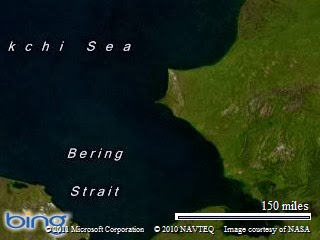
This is not the greatest map, but Point Hope is a village on the little point sticking out right in the middle. It’s above the Arctic Circle, so that means there’s 24 hours of daylight now. The land mass in the lower left of the map is Russia, and from what I’ve heard, on a clear day you really can see it from Point Hope. Hmm, Sarah Palin must have a house there…
I am completely pumped at the prospect of spending ten days in the Arctic. This is going to be great! Mary, on the other hand, is a bit nervous at my leaving. I’ve tried to calm her, reassure her that I’ll be coming back alive and whole, but no matter what I say, there’s still the release form that I had to sign before going on this trip. Most release forms I’ve signed are pretty generic things saying you won’t sue so-and-so or hold them responsible if you die or get injured doing something on their equipment, etc. This one, though, was pretty specific in places. Here are some lines that were buried within the legalese, which may shed light on my beloved’s unease:
“there may be rapid water run-offs from the low tundra lands, which may result in deep pools of water on the tundra. These pools run off into the frozen sloughs and rivers, which may create large holes on the ice of the lakes and rivers and create dangerous conditions.”
You know they put that in there for a reason. Here’s another one that gets me excited:
“In participating in or observing subsistence activities, you may engage in strenuous physical activity for long periods during the day; and possibly be exposed to rain, snow, wet conditions, extremes of cold and inclement weather, standing water, changing ice conditions, a variety of wild animals, open ocean water and any and all other natural hazards, risks, and dangers that exist and may occur in a wilderness environment.”
A variety of wild animals? All right – sign me up!
“When traveling by boat, you may be in open water and be exposed to waves, tides, and powerful currents and may encounter violent storms and sea mammals.”
Now, is the word “violent” only being used to describe the storm, or is it also describing the sea mammals? And just in case you thought they were thorough in their descriptions of the risks involved in these trips, the release ends on this note:
“I have read the description of risk activities contained in this statement, and I understand the description of these inherent risks is not complete…”
Lest anyone think that I’m deliberately courting death by an angry sea mammal, rest assured that from the sounds of it, all past programs have been safe and death-free. I’ve assured Mary that I have every intention of returning to continue raising our children. Still, reading these release forms makes you wonder sometimes.


